Infowelat Enformasyon Ji Bo Welat
Gotarên Têkildar

Key Points
-
Political Islam is gaining ground in Kurdish regions of Turkey amid weakening secular movements
-
Strategic failures and repression have created a political vacuum
-
Religious actors like Hüda Par are expanding influence
-
The shift could reshape Kurdish politics and impact migration trends toward Europe
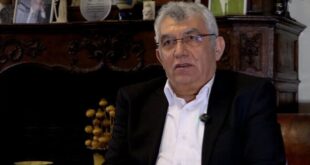
In the Swiss French newspaper Le Temps, sociologist and member of the Federal Commission on Migration Ihsan Kurt warns of a “silent threat” in Turkey’s Kurdish regions: the rise of political Islam.
For decades, the Kurdish national movement has been characterized by a largely secular and social orientation, later incorporating feminist ideals. However, according to Kurt, repeated setbacks have weakened its foundations. Failed urban insurgencies led by the PKK in 2015 and geopolitical limitations on Kurdish autonomy in Syria have contributed to a climate of uncertainty and decline.
This fragility is exacerbated by pressure on the pro-Kurdish DEM Parti and ambiguous signals from imprisoned leader Abdullah Öcalan. Kurt argues that as secular political space narrows, religious discourse is stepping in, offering simplified answers to complex crises and becoming a new form of identity refuge.
A shift with regional consequences
The growing influence of Hüda Par—aligned with the ruling AKP of President Recep Tayyip Erdoğan—illustrates this transformation. Rooted in Islamist movements influenced by the Iranian Revolution, the party promotes a religious political vision that challenges Kurdish secular traditions. Kurt warns that regional instability, including the return of former jihadist fighters, could accelerate this trend, with potential consequences extending beyond Turkey to Europe.
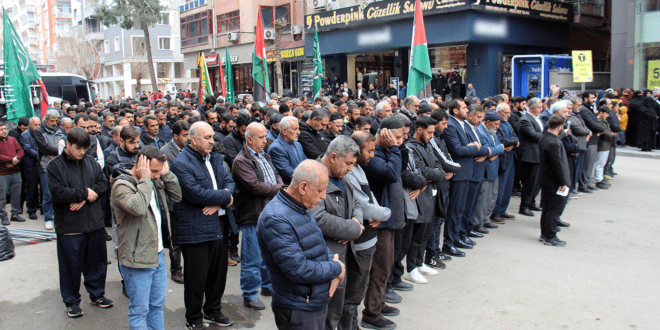
Photo: A protest organized by Prophet’s Lovers Foundation in Diyarbakir/Ilkha